+91-90113 97782
heatreat97@gmail.com

Comprehensive Heat Treatment Services – Enhancing Strength, Durability & Performance.
At Heatreat, we specialize in a wide range of heat treatment processes designed to enhance the strength, durability, and performance of steel components. With over 25 years of expertise and ISO 9001:2015 certified processes, we deliver precision, reliability, and customer satisfaction across industries such as automotive, engineering, and forging.
Heat treatment is the controlled process of heating and cooling metals to alter their hardness, toughness, ductility, and microstructure. It is widely applied in the automobile and engineering sectors to improve machinability, wear resistance, fatigue strength, and overall performance.
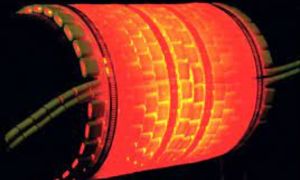
At Heatreat, we carry out heat treatment using advanced furnaces, oxygen probe technology, SCADA monitoring systems, and calibrated testing equipment, ensuring high-quality results backed by experienced manpower.
Carburizing & quenching enriches the surface carbon content (0.7–1.1% C) of low-carbon steel to form a hard martensitic layer while keeping the core tough.
Method: Gas carburizing in controlled furnaces.
Result: Improved fatigue strength, hardness, and wear resistance.
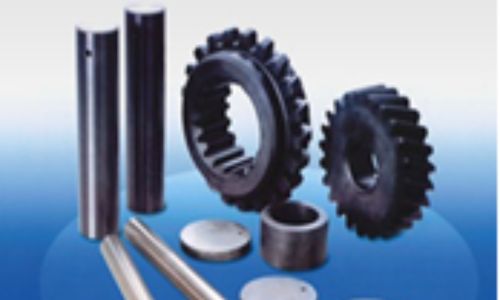
A two-step process to enhance strength and toughness in medium & high carbon steels.
Hardening: Steel is heated above the austenitizing temperature, then quenched to form hard martensite.
Tempering: The hardened steel is reheated to achieve tempered martensite, reducing brittleness.
Result: High strength with improved toughness and durability.
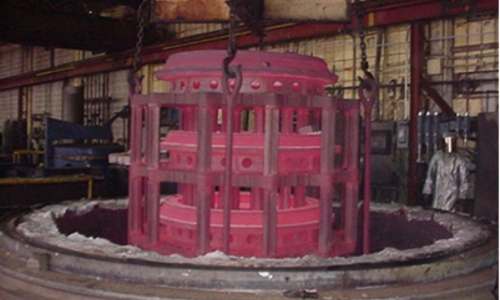
Steel is heated above its critical temperature, held for uniform austenite formation, and then air-cooled.
Result: Relieves stresses, improves toughness, hardness, and machinability.
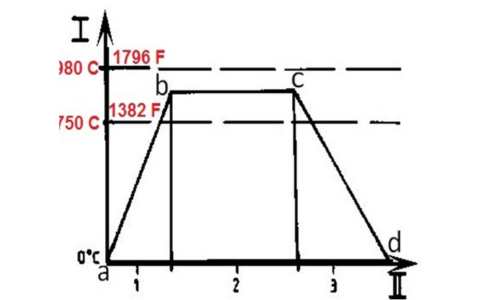
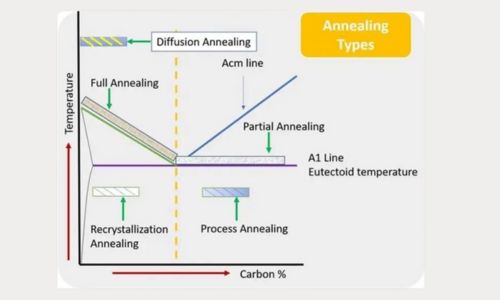
Steel is heated to a set temperature, held for transformation, and slowly cooled.
Result: Increased ductility, toughness, and reduced hardness, making the metal easier to work with.
Specially applied to stainless steels and aluminium alloys. Heated to dissolve unwanted precipitates followed by rapid quenching.
Result: Homogenized microstructure, improved machinability, and enhanced corrosion resistance.
Steel is heated below its critical temperature, held for a set duration, and cooled slowly.
Result: Increased dimensional stability, reduced distortion, and longer component life.